What is Meal Planning?
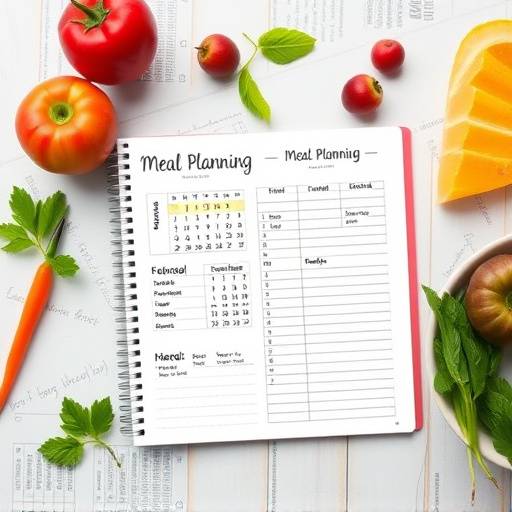
Meal planning is the process of deciding what you will eat for each meal over a set period. It involves planning breakfasts, lunches, dinners, and snacks ahead of time, typically for a week. This strategy helps you stay organized, reduces food waste, and encourages healthier eating habits.
Benefits of Meal Planning
Implementing a meal plan into your weekly routine offers numerous advantages:
- Saves Time: Reduce the stress of daily "what's for dinner?" decisions.
- Saves Money: Minimize impulse buys and food waste by only purchasing what you need.
- Promotes Healthy Eating: Make conscious, nutritious choices and avoid unhealthy takeout options.
- Reduces Food Waste: Utilize ingredients efficiently and prevent food from spoiling.
- Helps Achieve Dietary Goals: Facilitate weight management, manage specific dietary needs, and ensure balanced nutrition.
- Lowers Stress: Knowing what you're eating ahead of time eliminates daily decision fatigue.
Steps to Effective Meal Planning
Follow these steps to create a meal plan that works for you:
- Assess Your Schedule: Consider your weekly commitments and time available for cooking.
- Set Your Goals: Determine your dietary goals (e.g., weight loss, muscle gain, managing diabetes).
- Choose Your Recipes: Select recipes that align with your goals and preferences. Visit our Recipes page for inspiration.
- Create a Shopping List: List all ingredients needed for your chosen recipes.
- Shop Smart: Stick to your list to avoid unnecessary purchases.
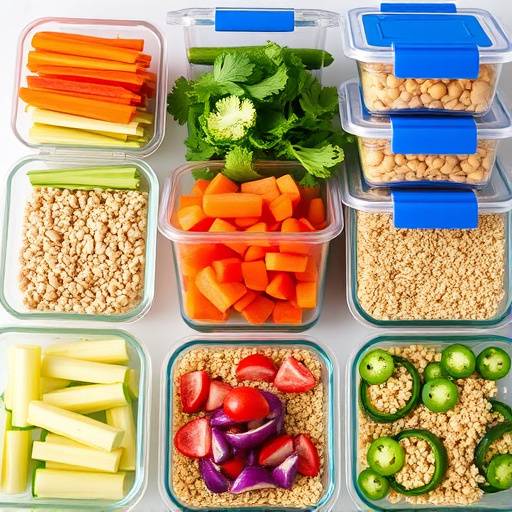
- Prepare in Advance: Chop vegetables, cook grains, or prepare sauces ahead of time to save time during the week.
- Store Food Properly: Ensure proper storage to maintain freshness and prevent spoilage.
- Stay Flexible: Be prepared to adjust your plan if unexpected events occur.
Sample Weekly Meal Plan
Here's an example of a balanced meal plan for one week:
| Day | Breakfast | Lunch | Dinner | Snacks |
|---|---|---|---|---|
| Monday | Oatmeal with berries and nuts | Turkey and avocado sandwich on whole-wheat bread | Baked chicken breast with roasted vegetables | Apple slices with almond butter |
| Tuesday | Greek yogurt with granola and fruit | Leftover baked chicken and vegetables | Lentil soup with a side salad | Handful of almonds |
| Wednesday | Smoothie with spinach, banana, and protein powder | Quinoa salad with chickpeas, cucumber, and tomatoes | Salmon with steamed broccoli and brown rice | Carrot sticks with hummus |
| Thursday | Whole-wheat toast with eggs and spinach | Leftover salmon with rice and broccoli | Vegetarian chili with cornbread | Orange |
| Friday | Breakfast burrito with beans, cheese, and salsa | Tuna salad sandwich on whole-wheat bread | Homemade pizza with whole-wheat crust and vegetables | Popcorn |
| Saturday | Pancakes with fruit and syrup | Chicken Caesar salad | Steak with baked potato and green beans | Yogurt parfait |
| Sunday | Waffles with whipped cream and berries | Leftover steak with potato and green beans | Roast chicken with mashed sweet potatoes and asparagus | Trail mix |
This is a sample meal plan to illustrate how to structure your meals throughout the week. Adjust it based on your individual needs and preferences.
Meal Planning Tips and Tricks
- Batch Cooking: Cook large quantities of grains, proteins, or soups on the weekend to use throughout the week.
- Theme Nights: Designate specific nights for certain types of cuisine (e.g., Taco Tuesday, Pasta Night).
- Utilize Leftovers: Repurpose leftovers into new meals to reduce waste and save time.
- Keep it Simple: Don't overcomplicate your meal plan. Choose simple, easy-to-prepare recipes.
- Involve Others: Get input from family members to ensure everyone enjoys the meals.

Additional Resources
Explore these resources for more information and support:
- Visit our Recipes page for healthy and delicious meal ideas.
- Check out our Nutrition Tips page for expert advice on healthy eating.
- Read our Blog for more articles on meal planning and wellness.