Nutrition Tips for a Healthier You
Welcome to NourishWell's comprehensive guide to nutrition! Here, you'll find practical tips and advice to help you make informed food choices and achieve your health goals. We believe that healthy eating should be enjoyable and sustainable, not restrictive and complicated. Our nutrition philosophy is rooted in balance, variety, and mindful consumption.
Understanding Macronutrients
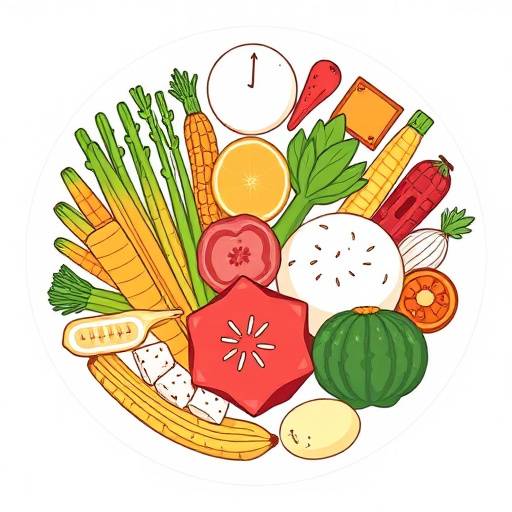
Macronutrients are the building blocks of our diet: carbohydrates, proteins, and fats. Each plays a vital role in energy production, cell growth, and overall health.
- Carbohydrates: Your body's primary source of energy. Choose complex carbohydrates like whole grains, fruits, and vegetables over simple sugars.
- Proteins: Essential for building and repairing tissues, producing enzymes and hormones, and supporting immune function. Include lean meats, poultry, fish, beans, lentils, and tofu in your diet.
- Fats: Important for hormone production, nutrient absorption, and brain health. Opt for healthy fats like avocados, nuts, seeds, and olive oil.
The Power of Micronutrients
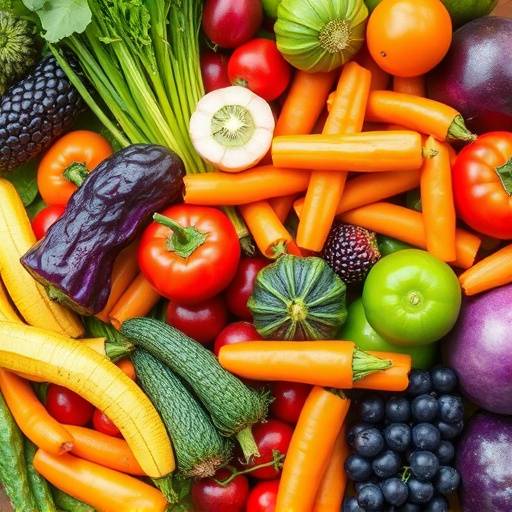
Micronutrients, including vitamins and minerals, are essential for numerous bodily functions. A deficiency in even one micronutrient can lead to health problems. Emphasize a colorful diet rich in fruits, vegetables, and fortified foods to ensure you're getting all the vitamins and minerals you need.
Here's a quick rundown of some key micronutrients and their roles:
- Vitamin D: Important for bone health and immune function.
- Vitamin C: An antioxidant that supports immune function and collagen production.
- Iron: Essential for carrying oxygen in the blood.
- Calcium: Crucial for bone health and muscle function.
Hydration is Key
Water is essential for life. It helps regulate body temperature, transport nutrients, and remove waste products. Aim for at least 8 glasses of water per day, and increase your intake during exercise or hot weather. Dehydration can lead to fatigue, headaches, and impaired cognitive function.
Mindful Eating

Mindful eating involves paying attention to your hunger and fullness cues, savoring each bite, and avoiding distractions while eating. This can help you prevent overeating and develop a healthier relationship with food.
Try these mindful eating tips:
- Eat slowly and deliberately.
- Put your fork down between bites.
- Pay attention to the taste, texture, and aroma of your food.
- Eat without distractions, such as your phone or TV.
- Stop eating when you're satisfied, not stuffed.
Portion Control
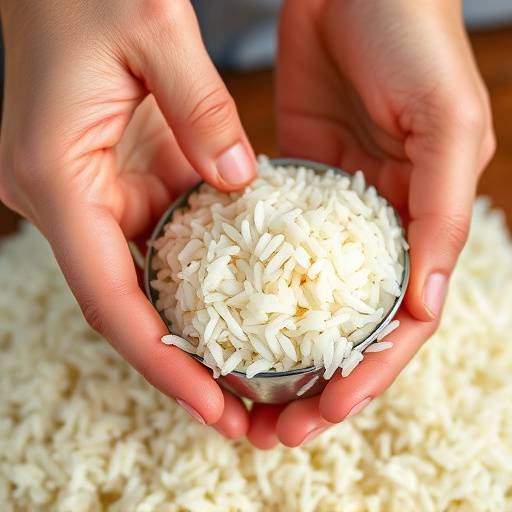
Being mindful of portion sizes is a crucial step in maintaining a healthy weight. Use smaller plates and bowls, and measure out your food to get a better sense of appropriate servings. At restaurants, consider sharing an entrée or taking half home for later. Avoid oversized meals that can lead to overeating.
Reading Food Labels

Understanding how to read food labels can empower you to make healthier choices. Pay attention to serving sizes, calories, macronutrient content, and added sugars. Look for foods that are low in saturated and trans fats, sodium, and added sugars, and high in fiber and essential nutrients. The ingredient list is also important; choose products with recognizable and whole-food ingredients.
Smart Snacking

Snacks can be a part of a healthy diet when chosen wisely. Opt for nutrient-dense snacks like fruits, vegetables, nuts, seeds, and yogurt. Avoid processed snacks that are high in sugar, salt, and unhealthy fats. Planning your snacks in advance can prevent unhealthy impulse choices and keep your energy levels stable throughout the day.
Limiting Processed Foods
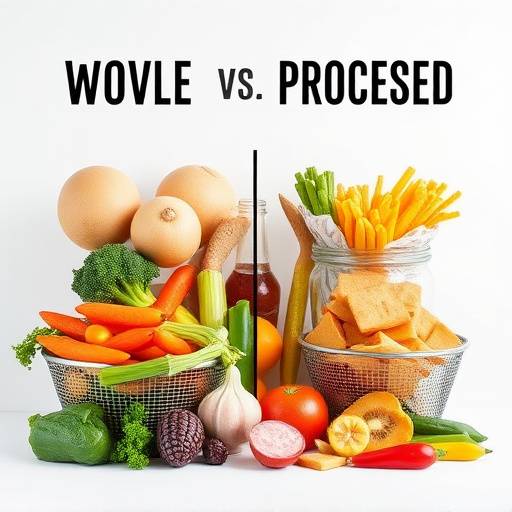
Processed foods are often high in calories, unhealthy fats, added sugars, and sodium, while being low in essential nutrients and fiber. Limiting your intake of processed foods and focusing on whole, unprocessed foods like fruits, vegetables, whole grains, and lean proteins can significantly improve your overall health. Cook at home more often to control ingredients and portion sizes.
Balancing Your Plate

Aim for a balanced plate at each meal. This typically includes a source of lean protein, a variety of colorful vegetables, and a portion of whole grains. Balancing your plate ensures you're getting a wide range of nutrients and helps control blood sugar levels and promote satiety. For example, a balanced plate might include grilled chicken breast, steamed broccoli, and brown rice.
The Role of Fiber
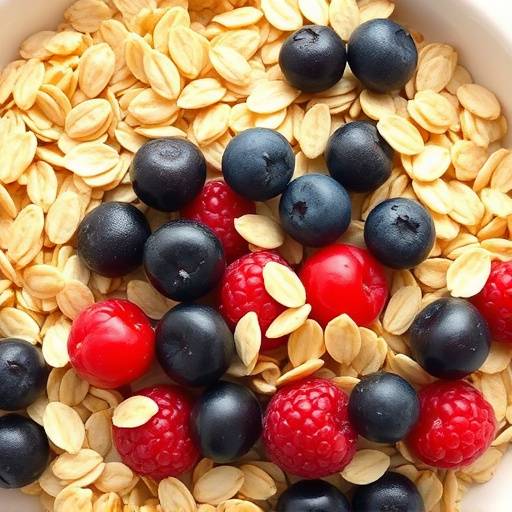
Fiber is an essential component of a healthy diet, aiding in digestion, promoting satiety, and helping to regulate blood sugar and cholesterol levels. Include plenty of high-fiber foods in your diet, such as whole grains, fruits, vegetables, legumes, nuts, and seeds. Aim for at least 25-30 grams of fiber per day to reap its many health benefits.
Consult a Professional
If you have specific health concerns or dietary needs, consider consulting with a registered dietitian or nutritionist. They can provide personalized advice and guidance to help you achieve your health goals. At NourishWell, we offer consultations with certified nutritionists who can assist you in creating a customized meal plan and addressing any nutritional deficiencies or concerns.
To learn more about meal planning tailored to your needs, visit our Meal Planning page.
Nutrition Facts Table Example
Here's an example of a nutrition facts table to help you understand the components:
| Nutrition Facts | Per Serving |
|---|---|
| Serving Size | 1 cup (30g) |
| Calories | 120 |
| Total Fat | 1g |
| Saturated Fat | 0g |
| Trans Fat | 0g |
| Cholesterol | 0mg |
| Sodium | 150mg |
| Total Carbohydrate | 25g |
| Dietary Fiber | 3g |
| Total Sugars | 5g |
| Added Sugars | 3g |
| Protein | 3g |
| Vitamin D | 2mcg (10% DV) |
| Calcium | 100mg (8% DV) |
| Iron | 4.5mg (25% DV) |
| Potassium | 150mg (3% DV) |
DV = Daily Value
At NourishWell, we are committed to providing you with evidence-based nutrition information and resources. We encourage you to explore our Recipes section for delicious and healthy meal ideas, and visit our Blog for the latest articles on nutrition and wellness. If you have any questions or need further assistance, please don't hesitate to Contact Us .